American Sewing Guild (ASG)

Visit our blog Visit the ASG Facebook page Visit ASG on Pinterest Visit ASG's YouTube channel Visit ASG on Instagram
  • Home
  • Join ASG
    • Join Online
    • Chapter Locations
    • Member Benefits
    • Member Brochure
    • Join by Mail
  • Education & Classes
  • Resources
    • Contests & Awards
    • Giving Back
    • Hall of Fame
    • Travel and Tours
    • Measurement Chart
  • Shop
    • ASG Store
    • Chapter Products
    • Video Resources
  • Blog
  • About
    • About Us
    • Donate to ASG
    • ASG Sensitivity Statement
    • FAQ’s
    • Start a Chapter
  • Contact
  • Member Login
    • Login First!
    • Members Only
    • Leadership Only
    • Website FAQ’s
    • Logout
  •  

January 9, 2026

Chinese Knot Button

There’s nothing quite as elegant as a knotted button and loop closure. This traditional Chinese knot has been used for centuries, and you can custom make them to coordinate with special garments. In addition to being used as a functional closure, these interwoven balls of cord can be used for necklaces, earrings and other types of embellishment as well.

Getting started

To get started, choose a ready-made cord about ¼” diameter. Satin cord works well, as does woven rayon or metallic. Note that if the cord has a filler (light padding), it makes a more attractive ball. Velvet cord can also be used to create slightly larger balls. You’ll need 12”-18” per button, depending on the thickness.

If you’re using the ball button for a home décor use, you can use cable cord or a larger tubular cord to make a much bigger button than you would for a garment closure. You can also use rope for a nautical look. Chinese knot buttons are great for incorporating into drapery tie-backs or as elegant slipcover closures.

Another option is to make your own fabric tubing. To do this, cut a length of bias fabric (silk is ideal) 1 ½” wide. Fold the cord in half right sides together—matching raw edges—and add a narrow strip of lightweight batting under the folded fabric. Stitch along the cord length using a ¼” seam, catching the batting in the stitching. Use your favorite turning tool to turn the stuffed cord right side out and then smooth into shape.

In addition to the cord or tubing, you’ll need matching thread, scissors, a hand needle and a fray stopper or fabric glue for finishing the cord ends.

Ready, set, weave

  1. Begin by folding the cord into a loop with one end OVER the opposite end.

2. Make a second loop behind the first one forming a pretzel shape.

3. Weave the second end of the cord over and under each cord in the pretzel pattern to create a sustainable knot shape. Note that it’s the over/under intertwining pattern that holds the cords together.

4. To shape the knot, gently coax each loop and pull to snug them together. If you pull too fast, the shape of the ball will be wonky.

5. Pull up to get the ball shape or leave looser for a flatter button.

Finishing

Once you have the button in a pleasing shape, trim the ends of the cording about ¾” from the knot. If the cord or fabric tube ends are ravelly, add a bit of fray preventer or fabric glue to secure them.

Sew the cord ends together and tuck them into the knot underside to secure. Leave the threaded needle attached to sew the button to the project.

Wrap the thread around the thread shank you created in that process to make an attractive finish for the button application.

Use ball buttons with loops on the opposite side of the closure, as they’re too bulky for a traditional buttonhole.


~Linda Griepentrog is the owner of G Wiz Creative Services and she does writing, editing and designing for companies in the sewing, crafting and quilting industries. In addition, she escorts fabric shopping tours to Hong Kong. She lives at the Oregon Coast with her husband Keith, and three dogs, Yohnuh, Abby, and Lizzie. Contact her at gwizdesigns@aol.com.
December 12, 2025

How to Make Denim Look Stone- or Acid-Washed

Acid-washed and stone-washed denim are stepping boldly back into the spotlight for 2025–2026, blending nostalgic edge with modern refinement. Designers are leaning into these retro textures to add depth, character, and a lived-in authenticity to jackets, jeans, skirts, and even accessories. This time around, the washes are more intentional—think controlled contrasts, sustainable finishing techniques, and elevated silhouettes that make distressed denim feel fresh rather than throwback. Whether paired with minimalist basics or layered into maximalist looks, acid and stone washes are proving they can move seamlessly from vintage-inspired streetwear to polished, contemporary style.

Stone-washing and acid-washing are two classic ways to give denim that lived-in, high-contrast look. Stone-washed denim is softened and faded by abrasion; acid (bleach) washing uses a controlled bleaching action to create splotchy, cloud-like highlights. We cover some beginner-friendly home methods, safety notes, and a few deeper resources and videos to watch before you start. 

Start by pre-washing your denim fabric to remove finishes.

What you’ll need (basic)

  • Your denim fabric (100% cotton denim reacts best).
  • Household bleach (for acid/bleach wash) OR pumice/polishing stones (for stone wash).
  • Large plastic tub or old bucket, spray bottle or squeeze bottle, rubber gloves, eye protection, and an apron or old clothes.
  • Neutralizer: hydrogen peroxide or a long rinse and diluted vinegar solution. Always have plenty of water for rinsing.

Acid / bleach (aka “cloud” or acid-wash) — quick method

  1. Work outside or in a very well-ventilated area. Put on gloves and eye protection. Never mix bleach with ammonia or other cleaners. 

  2. Dilute bleach with water. A common starting ratio is 1:1 to 1:3 bleach to water in a spray bottle. For gentler results, use more water. Test on a small end area first. 

  3. For a clouded look: scrunch and secure parts of the denim with rubber bands or twist the garment to create areas that resist the bleach. Spray or dab bleach onto raised areas — the more you spray, the lighter the area. For sharper, high-contrast speckles, sprinkle bleach with a sponge or pour small amounts. 

  4. Watch the color change (this can take from a minute to 20 minutes). When you reach the desired lightness, neutralize the bleach (rinse thoroughly, then soak in a hydrogen peroxide solution or wash with plenty of water) or neutralize with baking soda solution to stop the chemical action. Launder and dry the fabric afterwards. 

  5. View this article from Clorox on How to Fade Jeans with Bleach

Tips for control & creativity

denim jeans
  • If you’d like to do specific patterns, use gel bleach or thickened bleach. This will give you more control on jackets and targeted areas; apply with a brush and avoid running. See the step-by-step for a controlled jacket technique offered by Levi’s
  • For patterned effects use stencils, rubber bands (reverse tie-dye), or spray bottles to vary coverage. Many tutorial videos demonstrate spraying and banding methods for “cloud” or “acid” textures.
  • For random, blotchy effects, you can also soak pumice stones in a bleach solution and tumble briefly with the garment (factory acid wash used a similar concept).

Safety & fabric care

  • Bleach is corrosive — use gloves, respirator or mask if sensitivity is an issue, and always wear eye protection. Work outdoors or with strong ventilation. Do not mix bleach with other cleaners (especially ammonia). Neutralize and rinse thoroughly before machine drying. 
  • Expect some weakening of fibers: both bleach and stone abrasion can reduce fabric tensile strength. Consider reinforcing high-stress areas (crotch, seams) if you plan to wear the piece heavily.
  • If you prefer to avoid bleach, try enzyme washes or commercial fading agents designed for home use — they’re gentler on fibers and colors.

Stone-washing (abrasion)

Stone washing uses physical abrasion to rub the indigo dye off the surface of denim, softening the fabric and producing a uniform faded or worn look that has some vintage appeal. 

  • Stone-washing at home mimics industrial processes by rubbing stones or pumice against the fabric.
  • Use commercial pumice or ceramic stones (available online) and a large, sturdy tub or old washing machine set to a gentle cycle. Important note: Do not use your good washing machine for this!
  • For pumice, soak the denim in salt water overnight, then wring out the excess water. Spread the fabric on a flat surface, smoothing out all the wrinkles, then rub with the pumice stone or sandpaper until areas of white fabric appear. Make sure you don’t rub too long in one spot that you cause a hole. Fill a bucket halfway with water, then add a cup of salt and properly dissolve it.
  • For true stone washing, set your (old) washing machine water level to low and the water temperature to hot and add 1/4 – 1/2 cup of detergent, then add 3 cups of non-chlorine bleach. If your denim is 100% cotton, you can use 1 1/2 cups of chlorine bleach. Add stones and allow the machine to agitate for a few minutes before adding the fabric. When the wash cycle is complete, remove the fabric.
  • This process is abrasive — it will thin the fabric over time, so don’t overdo it. Repeat until you reach the desired fade. Do a final rinse and then tumble dry. 

With experimentation and attention to safety, you can create beautiful stone- or acid-washed effects that refresh thrifted denim or breathe new life into a jacket. Try small tests first, vary spray concentration and tumble times, and keep notes — that way you’ll quickly learn what produces the exact fade and pattern you love. Happy distressing (safely)!

Need more denim info? Try this articles.

Denim Dynamics
Hemming Jeans – the Denim Blues

December 5, 2025

Dog-Friendly Sewing Tips for Every Pet Parent

Few things are as delightful as sewing for our pets. They happily overlook crooked seams and quirky fabric choices—because to them, handmade means love. As someone who has three big dogs, I can tell you that there are myriad opportunities to create things. Our Newfoundland, Yohnuh, will love anything and everything. Abby, our border collie, is more selective about her things, and Lizzie, the “Heinz 57” mix, will simply start to rip apart anything and everything she gets.

Make it Right

It goes almost without saying that anything made for a pet should be made from a sturdy fabric, especially for younger pets who seem intensely curious about everything. Denim, canvas, duck cloth and nylon ripstop are top-of-mind choices.

Fabrics should also be soft if you’re making bedding or clothing, and have a snuggle factor. Fleece is a common choice, but there’s also sherpa, wool, and Minkie-like options.

It’s also obvious that any fabrics (and stuffings) should be totally washable and dryable. Drool (we’re talking you Newfie!) and just general use by pets lead to the need for frequent cleanings. If the fabric is waterproof or water resistant (think ripstop, oilcloth, or laminates), a simple wipe-down can take the place of full-on laundering.

Lizzie with her sherpa bone

Who doesn’t love looking at pet themed fabrics, whether in-store or online? There’s a multitude to choose from.

If you’re making a costume, perhaps you want to think more broadly about fabric options. Satin, tulle, velvet, etc. may be needed to pull off the look. But, these items aren’t for general use, so care isn’t necessarily as important as those getting everyday use.

Think safety when you’re selecting pet findings—no beads that can be swallowed, no fasteners that can be chewed off, etc. Any trims should be sewn on sturdily by machine.

If you’re making a coat, leash or collar, consider adding reflective trim if the item will be worn out at night. These trims glow in the light of headlines for added visibility.

When making a stuffed item, be sure to double stitch the opening closed to avoid pet intrusion.

Pet Projects

There are myriad types of pet projects, and you can find many free patterns online simply by searching “free pet projects to sew”. Many of these are ideal for beginners to make, as pets don’t care if seams are perfectly straight. The major pattern companies also have pet offerings.

If you’re thinking of a pet bed, be sure to measure your pet when they’re lying down to see how big the bed needs to be for comfort. No dog wants a bed he can only sit in. Note the pattern measurements and where the measurements were taken—nose to tail, girth, weight, etc. for a good fit. Beds are actually a great way to use up some scraps for stuffing. Just be sure all the pieces are washable.

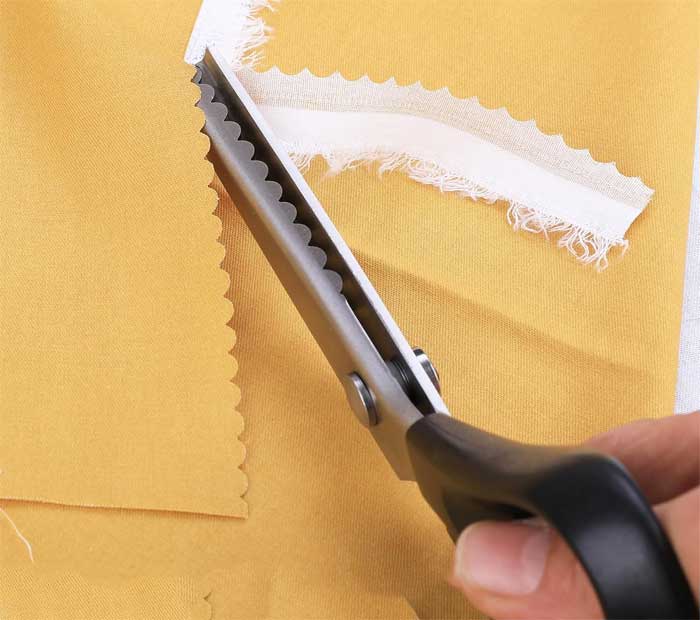
If you’re looking for a simple beginner project, consider a pet bandanna. These scarves are ideal for using seasonal fabrics and only narrow hemming is needed, or even just a trim with some specialty scissors. Or, even simpler, snip a fringed edge. For double wear, make it reversible and no hemming needed.

Placemats are another easy option. They catch spills and crumbs and keep the area around dishes cleaner.

Y
Yohnuh with her denim bone toy

Interactive toys are always a winner for any pets. Whether you make a Snuffle mat and hide treats in it, or you create a squeaker tug toy, a feather string toy or a catnip filled fish, there’s fun to be had.

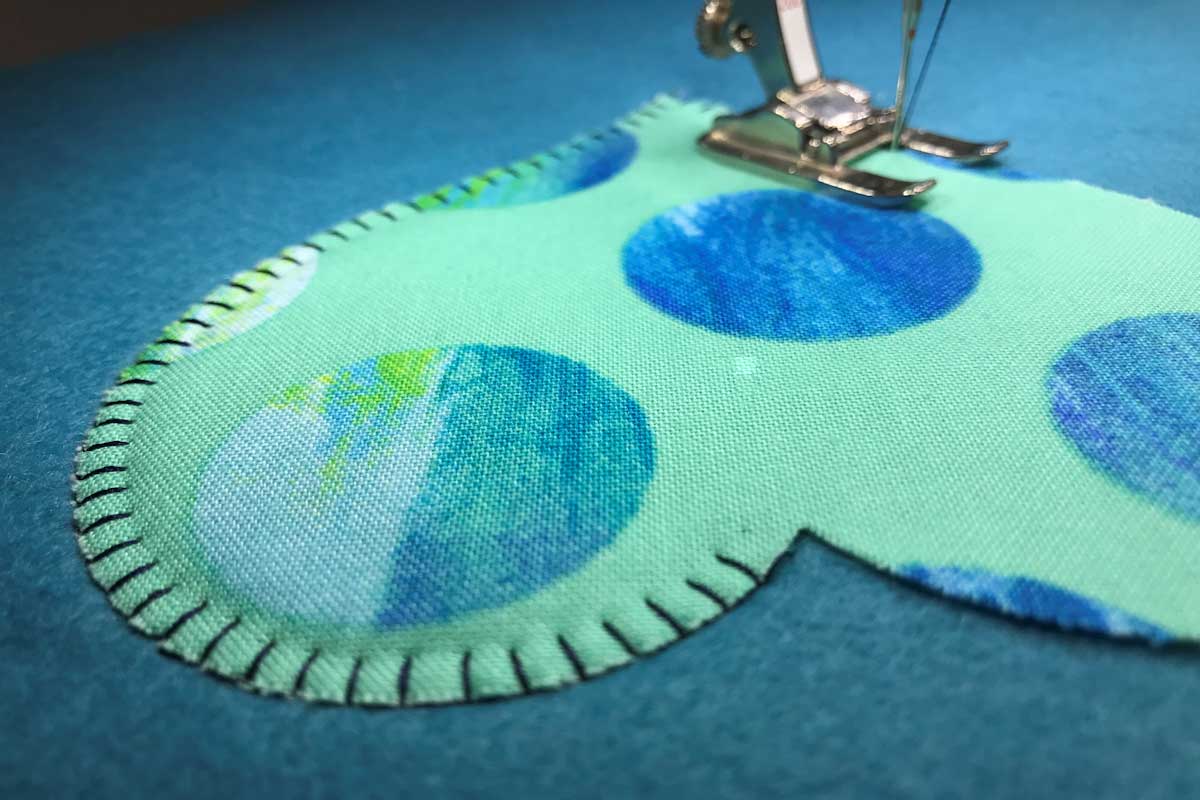
It’s fun to customize a pet project as well—get out your embroidery machine and add a name or saying (Woof!) to the project as you’re making it. Another way to personalize a project is to add an appliqué—just be sure the stitching is secure and no loose edges.

No matter what you make, your pet is sure to be appreciative of your efforts! Don’t have a pet of your own? Donate items to shelters for the pets housed there or to give to adoptees.

Sewn Pet Project Ideas

  • Bandanna
  • Bed
  • Boots
  • Car seat cover
  • Coat
  • Collar
  • Cooling mat
  • Costume
  • Couch cover
  • Dog poop bag holder
  • Hammock
  • Harness
  • Leash
  • Placemat
  • Pillow
  • Quilt
  • Snuffle mat
  • Tent
  • Treat holder bag
  • Tug toy
  • Tunnel
Abby on the quilted couch cover

~Linda Griepentrog is the owner of G Wiz Creative Services and she does writing, editing and designing for companies in the sewing, crafting and quilting industries. In addition, she escorts fabric shopping tours to Hong Kong. She lives at the Oregon Coast with her husband Keith, and three dogs, Yohnuh, Abby, and Lizzie. Contact her at gwizdesigns@aol.com.
November 21, 2025

From Sweater to Fall Foliage on Display

Who doesn’t love a bit of fall color? 

If you’ve followed my blog posts for any length of time, you know that I love repurposing things in unexpected ways, and this sweater wreath is the perfect project for that mantra.

Get started by gathering some fall-color-no-longer-worn sweaters from your closet, from friends, or visit thrift stores. Look for color gradations or stripes within the sweater so you have more tonal options from a single pick.

If the sweaters are wool, throw them in the washer and dryer to felt them, creating a denser fabric to work with.

Supplies

  • One 10-12” wicker wreath form
  • Assorted fall color sweaters
  • Assorted fall color felt
  • Assorted fall color threads
  • Assorted fall color felt balls, 1- 1½” diameter
  • Fusible web
  • Hot glue/glue gun
  • Large bow (optional)

Putting it together

  1. Download some free leaf shapes from the Internet. One site is https://worldofprintables.com/leaf-template/. Oak and maple shapes are ideal, but any basic leaf shapes will work.
  2. Trace the leaves onto the paper side of the fusible web and rough-cut the shapes.
  3. Following the manufacturer’s instructions, fuse the shapes to the wrong side of the sweaters, positioning them according to your color selection and varying placement for interest.
  4. Cut out the sweater leaves on the drawn lines.
  5. Peel off the protective paper and fuse the leaf shapes to a contrasting felt color. Cut out the shapes ¼” from the sweater edges, leaving a narrow felt border around each leaf.
  6. Using a straight stretch stitch or a narrow zigzag stitch, detail the leaf veining to mimic the natural leaf configuration. A narrow zigzag shows up better on bulkier fabrics.
  7. Position the leaves as desired on the wreath form and glue in place.
  8. Group together multiple felt balls and glue in place among the leaves.
  9. Let the glue dry thoroughly before moving the wreath.
  10. Add a bow if desired.

Options: Instead of all leaf shapes, cut some pumpkins, witch hats or turkey shapes to add to the mix.

Don’t throw away the sweater scraps—they’re ideal for another project—perhaps some winter mittens! The sweater ribbing is perfect to use as-is for the cuffs on mittens.


~Linda Griepentrog is the owner of G Wiz Creative Services and she does writing, editing and designing for companies in the sewing, crafting and quilting industries. In addition, she escorts fabric shopping tours to Hong Kong. She lives at the Oregon Coast with her husband Keith, and three dogs, Yohnuh, Abby, and Lizzie. Contact her at gwizdesigns@aol.com.
Tagged With: fall, felting, project

November 14, 2025

Gabbing about Gussets

Sandhill Sling bag from Noodlehead Designs

If you’ve made bags, totes or packs, you may have had to deal with a gusset or two.

So, what’s a gusset?

The word gusset doesn’t roll easily off the tongue and may not be something of common knowledge. But the purpose of this design detail is to add depth and more room to a project. Rather than creating a perfectly flat tote, bag or purse with just a back and front, it’s handy to have space for more items inside.

A gusset is basically a strip of fabric that goes fully or partially around a bag for this purpose. Most gussets also feature a zipper opening for access to the interior of the bag. A gusset also allows a bag to stand on its own.

Gussets on Garments: Gussets in garments are pieces of fabric inserted to add width, strength, or comfort. They’re commonly found in areas that need extra ease of movement, such as the underarms of sleeves or the crotch of pants. Sewing gussets into clothing is a different process than adding them to bags or totes.

Gussets can be the same width throughout or can be wider at the bottom tapering to narrow or non-existent by the time they get to the upper bag edge.

Adding a continuous band around a base shape can be tricky—not only are there corners or curves involved, but the gusset has to fit the piece exactly so there are no puckers or gaps, and if the bag has square corners, you don’t want any pleats at the corners.

Piece by Piece

If your bag has a zipper closing, you’ll likely have two upper gusset pieces to cut—one for each side of the zipper. If the bag is lined, there will be four upper gusset pieces—two outer fabric and two lining fabric.

While some gussets are constructed slightly differently, the pattern guidesheet should detail the process, but shown here is the general process for most bag gussets.

To construct a zippered upper gusset, place the zipper tape face down on one gusset with the long edges matching and baste in place close to the edge (1).

1

If the gusset is lined, place the lining piece right sides together with the gusset and stitch in place along the seam line. Press both gusset layers away from the zipper and topstitch (2).

2

If the zipper is longer than the gusset, unzip it halfway and sew across the end several times, then trim off to match the gusset length. Repeat for the other end if needed (3).

3

With right sides together, sew the bottom gusset to the top gusset across the gusset width. This creates a circle which should fit your bag back and front exactly. Press the seam in one direction and topstitch through all layers (4).

4

Note that if your bag is lined, the lining lower gusset will be part of the seam (5)—check instructions for your specific bag.

5

Now comes the fun part—attaching the completed gusset to the bag front and back. Pin-mark the top and bottom gusset centers, then fold those marks to match, and mark. This divides the gusset into equal quarters. Create those same sectional markings on the bag back and front (6).

6

With right sides together, match the quarter markings on the bag with the same on the gusset starting at the top center and clip the layers together (7). If the bag back has rounded corners, slash into the gusset seam allowance only and spread apart to round the corners.

7

Clip all layers together (8). If the bag has square corners, slash the gusset once and spread at the corner seam. Start along one side and sew the gusset to the bag section around the perimeter, allowing the gusset notches to spread around the corners. No puckers!

8

With the zipper partially open to allow for turning, repeat the process to attach the remaining gusset side to the remaining section of the bag. Yes, it’s a bit like standing on your head for this step as you’re wrestling the other side and gusset but stay the course and keep an even seam allowance. Turn the project right side out and check for any puckers or pleats. Trim the seam allowance if the pattern directs. Voila—gusset installed!

Complete the project per the pattern instructions.


~Linda Griepentrog is the owner of G Wiz Creative Services and she does writing, editing and designing for companies in the sewing, crafting and quilting industries. In addition, she escorts fabric shopping tours to Hong Kong. She lives at the Oregon Coast with her husband Keith, and three dogs, Yohnuh, Abby, and Lizzie. Contact her at gwizdesigns@aol.com.
  • 1
  • 2
  • 3
  • …
  • 67
  • Next Page »

Become a Member

Join the only national organization dedicated to Advancing Sewing as an Art and Life Skill.

Join Now button

Blog Article Categories

  • ASG Conference
  • Chapter Stories
  • Embroidery
  • Fitting
  • Learn to Sew
  • National Sewing Month
  • Products, Books, & Patterns
  • Projects
  • Quilting
  • Sewing
  • Sewing Techniques
  • Sewing Tips
  • Sewing Tours
  • Videos
  • Disclaimer
  • Privacy Policy

American Sewing Guild
National Headquarters
9660 Hillcroft, Suite 230
Houston TX 77096
713-729-3000 | 713-721-9230 Fax
www.ASG.org

ASG wordcloud - education, conference, discounts, videos, special offers, tours and more

Copyright © 1998–2026 · American Sewing Guild · All Rights Reserved